—
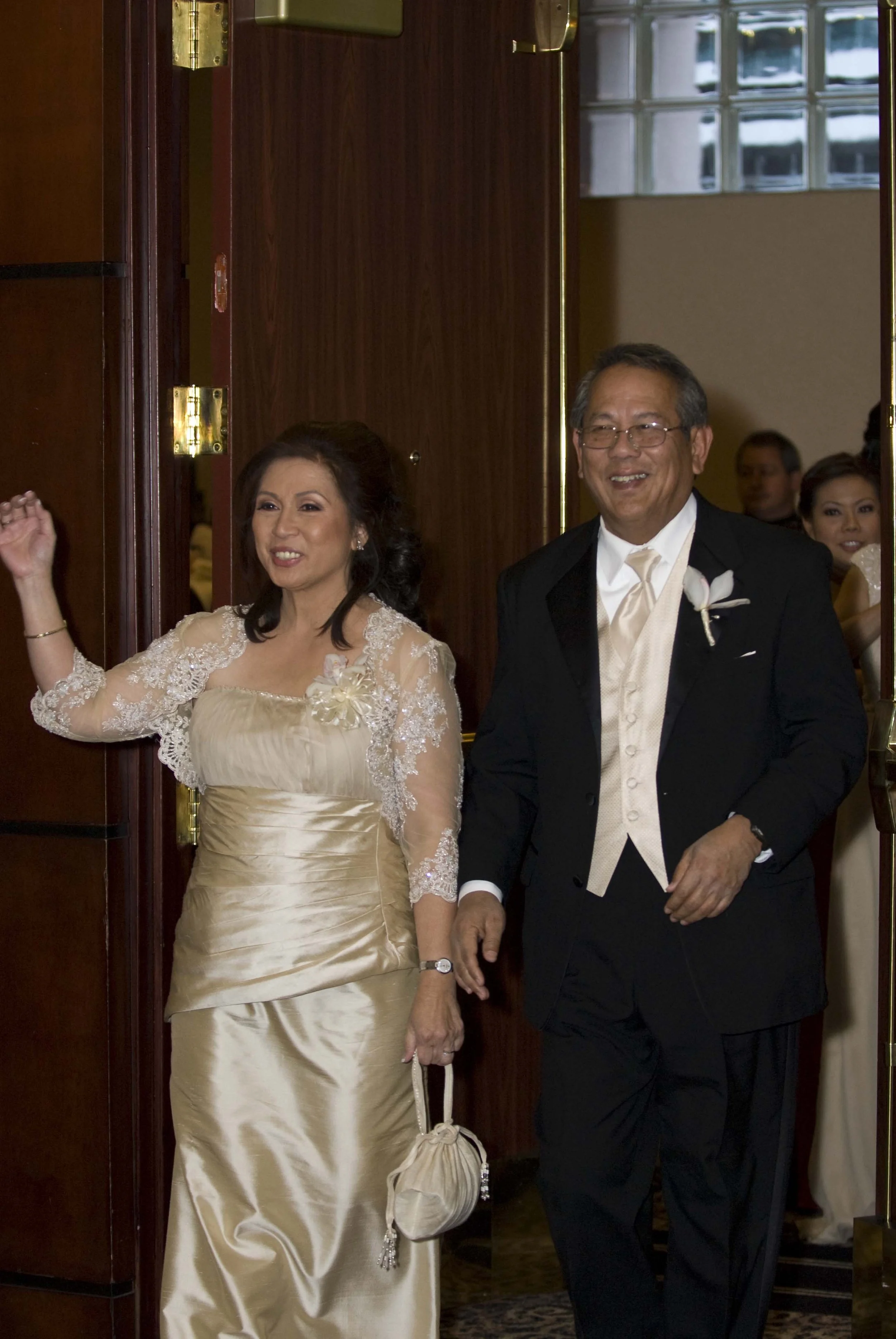
Born in the Philippines on July 9, 1947, Briccio Alconaba Almeda’s path was once meant to lead to the priesthood: he was an altar boy, and before courtrooms and law books, he could sometimes be found selling cigarettes atop jeepneys. But another calling prevailed. He graduated from U.P. College of Law in 1971, entered the Philippine bar in 1972, and began his career in the office of Lorenzo M. Tañada, where Briccio found himself serving coffee to Corazon Aquino.
His legal life would eventually carry him from representing ordinary Filipinos - including laborer Severina Dulay before the Philippine Supreme Court - to the bench of the Regional Trial Court in Pagadian City, where he was entrusted with some of the region’s gravest criminal cases. His judgments in cases such as People v. Rabutin and People v. Saspa would themselves reach the Supreme Court and be affirmed; in Rabutin, facing a case of extraordinary consequence, he wrote that he had “read and re-read” the testimony, deliberately searching for anything that might raise reasonable doubt. That was Briccio’s strength: not simply the authority to judge, but the courage and discipline to question himself before judging another.
Briccio made perhaps the most consequential choice of his life: he left behind the legal career he had built in the Philippines so his children could be educated in the United States. In Los Angeles, he became the first hire of The Law Offices of Michael J. Gurfinkel, built a new life with his beloved wife Zenaida, and even managed to buy his favorite car, a Ford Mustang - although, like so many of his cars, he rarely kept possession of it for long once his children discovered the keys.
He leaves his story to Zenaida and to Nikki, Debbie, Nina, TJ, Paolo, Kristen, and Bryan: after a lifetime spent weighing what mattered, he placed his greatest bet on his family - and gave them the road ahead.